

Lifestyle
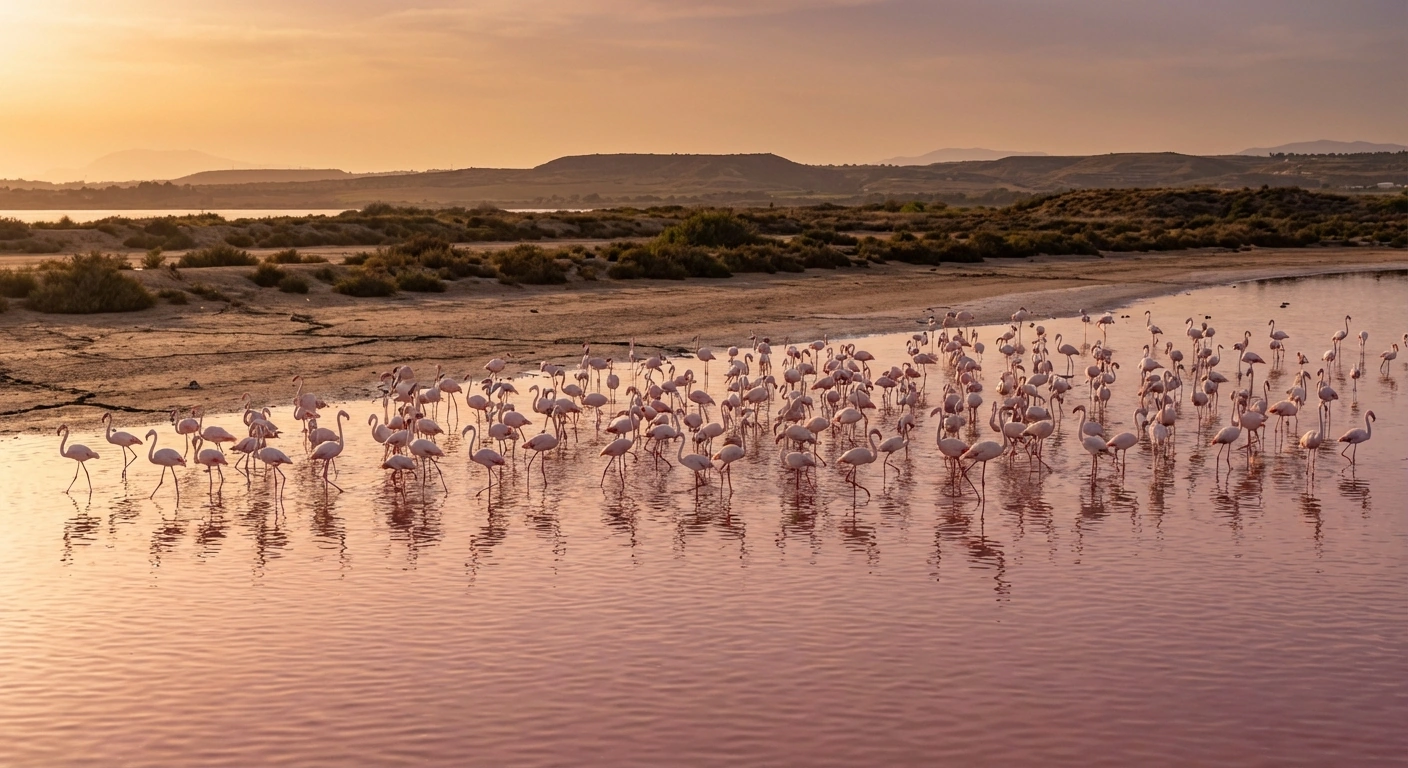
Laguna Rosa in Torrevieja – The Pink Lake Explained 2026
Laguna Rosa Torrevieja: why the pink lake is pink (Dunaliella salina algae), 2,000 flamingos, 3,700 ha nature park. Visiting tips and swimming rules.
16 min
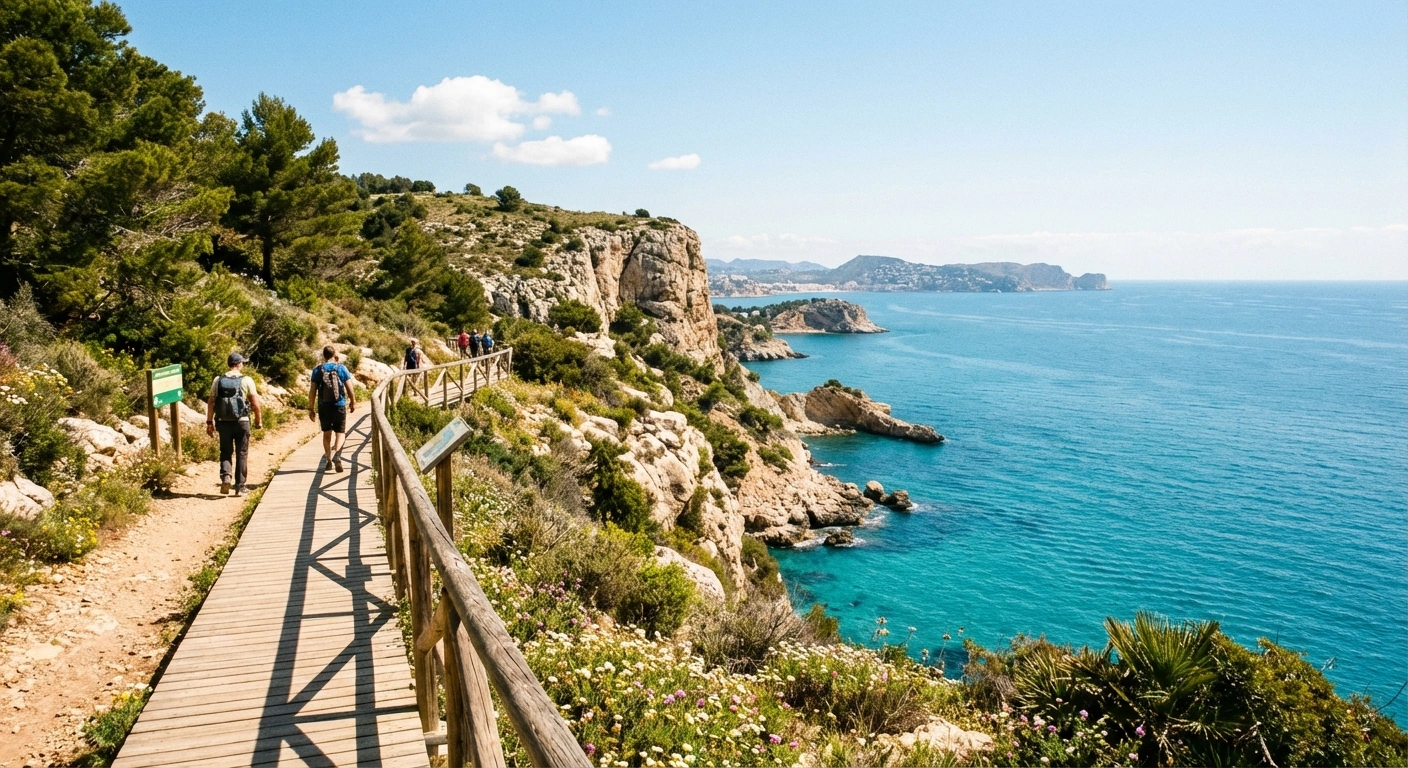
Guide to coastal hiking in Spain: trails, beach promenades, nature paths and which areas suit you if you want to combine living with an active lifestyle.
If you are searching for hiking on Spain's coast, the short answer is that Costa Blanca offers the best mix of clear trails, modest elevation changes and everyday coastal walks, while Costa del Sol more often suits those who want longer beach stretches, more urban energy and an easier combination of walking, restaurants and services. That does not mean one coast is "better". It means they suit different lifestyles.
For peaceful, nature-close circuits, La Mata, Benissa's ecological coastal path and parts of Altea are strong. For those who want more energy and the ability to walk along the sea without it feeling like a half-day expedition, the coastal stretches around Marbella and western Costa del Sol work better. If you want something that genuinely feels like hiking — not just a beach walk — Peñón de Ifach in Calpe and certain hilly coastal sections in the north are more interesting. In this guide I go through which trails are easy, which demand more of you, which areas suit different buyers and what drawbacks you should account for before building your daily life around coastal hiking.
That depends primarily on whether you mean "a nice walk by the sea" or actual hiking with uneven terrain, elevation gain and some physical effort. Many people confuse the two. For everyday exercise and views, southern Costa Blanca is strong. There you get beach promenades, wooden boardwalks and nature paths that are easy to use several days a week. For more classic hiking, northern Costa Blanca is better, especially around Benissa and Calpe.
In the nature park at La Mata and Torrevieja there are several marked routes. The green vine route is 1.5 kilometres long, has low difficulty and takes approximately 40 minutes at a leisurely pace. The visitor centre is also approximately 400 metres from the N-332 at kilometre 64.5, making the starting point unusually easy to reach by car. This is not the place for dramatic coastal hiking. It is the place for a simple nature walk with salt lakes, birdlife and open landscape.
Further north, Benissa's ecological coastal path is one of the clearest examples of what many people actually want when they search for coastal hiking in Spain. The route is stated at 3.5 kilometres, the ascent is approximately 93 metres and normal walking time is 45 minutes to one hour. There you get cliffs, small coves, views of the Mediterranean and enough variety for the walk to genuinely feel like a trail.
Calpe pulls in a third direction. The municipality has 13 kilometres of coastline, 14 beaches and coves and over 5 kilometres of cliff coast. That makes the area good if you want to alternate between easy beach-adjacent walking and more hilly natural sections during the same week.
Information
Short version: Costa Blanca is strongest if you want to choose between easy beach walk, salt lake nature path and more hilly coastal trail within reasonable distance. Costa del Sol wins if you prioritise a long coastline, services and denser urban life along the way.
If you want to walk without changing shoes, carrying poles or planning as if you were heading into the mountains, start with the simplest coastal routes. Here are three that work for most people.
First is the La Mata and Torrevieja area. The vine route in the nature park is easy, short and clearly marked. You walk between vineyards, a salt lake environment and viewpoints, with five stops along the way. It is a good choice if you want to experience the area without heat or terrain becoming an issue. If you live in or near La Mata or Torrevieja, this is exactly the kind of trail you actually use on a Tuesday in February, not just on holiday.
The second beginner-friendly option is Benissa's ecological path if you take it gently and do not treat it as exercise. The trail is not technically difficult, but the terrain varies and some sections are more rocky than they look in photos. At the same time it is short enough to suit even those who just want a morning circuit before breakfast.
The third is the beach-adjacent section of Senda Litoral around Marbella and western Costa del Sol. The point there is rarely the elevation gain. The point is that you can walk a long way without losing contact with cafés, city life and bathing spots. For many buyers on Costa del Sol this is more relevant than a spectacular trail. It becomes part of daily life.
Choose a trail where you can turn back whenever you want without the logistics falling apart. La Mata does this well. Benissa also works, but there you should have sensible shoes. Marbella suits those who like combining a walk with breakfast, a beach stop or dinner. It is more social than nature-focused, but that is also why many people actually use it regularly.
Properties
Explore available properties in torrevieja
This is where many people become a little too optimistic. Real coastal hiking in Spain often means more sun, less shade and more uneven terrain than people expect. It is not dangerous, but it is more demanding than a picturesque beach walk on Instagram.
Peñón de Ifach in Calpe is the clearest example in this guide. The rock itself is 332 metres high, approximately one kilometre long and accessed via a trail where the first section leads to a tunnel of approximately 30 metres that was cut in 1918. After the tunnel the trail narrows and becomes considerably more technical. You do not walk here to chat comfortably with someone beside you. You walk here for the views and because your legs will genuinely feel it.
Benissa is the next step below Ifach in difficulty. The trail itself is short, but the terrain and coastline give you more variety than the length suggests. You pass La Fustera, Cala dels Pinets, Llobella and Platgeta de l'Advocat, with sections where you need to watch your step and place your feet carefully. I would not call it difficult for an experienced hiker. But it is uneven enough for a pushchair, sandals or poor balance to quickly become irritating.
As soon as you need to plan water, footwear and heat. Benissa requires that on warm days. Ifach requires it almost always. That is why many people are surprised: the trail is not long, but the sun and terrain make more of a difference than the number of kilometres.
Tip
Always bring water on the more exposed coastal trails. Benissa's tourist office explicitly recommends water on the ecological path, and the same applies even more in Calpe where exposed rock and reflected heat drain your energy quickly.
This is really the most important question if you are looking at property. A trail is lovely on holiday. But the area around the trail determines whether you actually enjoy living there for the rest of the year.
If you want easy daily life, Swedish networks, a low threshold and nature that feels close without becoming too wild, Torrevieja and La Mata are strong choices. You get beach, salt lake, promenades and a property market that is still considerably more accessible than in northern Costa Blanca. The downside is that it does not feel as dramatic. The nature is more open, flatter and more everyday.
If instead you prioritise a more attractive coastline, less resort feel and want the walk itself to be part of why you live there, Benissa and Altea are better. Benissa's coastline is only four kilometres long, but that is precisely why the experience is concentrated and clear. Altea works well if you like being able to alternate between a beach-adjacent walk, a small town and longer excursions towards Calpe or the Sierra Helada area. It is a more aesthetic choice, but also a more expensive one.
On Costa del Sol, the Marbella coast is interesting for a different type of buyer. There you get less natural stillness but a more usable everyday beach life if you want to walk a long way along the sea while having services, a gym, cafés and city life around the corner. I would say Costa del Sol suits you better if you want an active daily life without feeling isolated. Costa Blanca suits you better if you want nature to be more present in the living experience itself.
You can also think of it like this:
The simple answer is morning or late afternoon for most of the year, and very early or fairly late during midsummer. This applies to almost the entire Mediterranean coast, but becomes especially important on exposed coastal trails without shade.
Calpe states 3,180 hours of sunshine per year, an annual average temperature of 18 degrees and only 44 cloudy days. That is wonderful when you want to spend a lot of time outdoors. It is less wonderful when you head out onto exposed rock in the middle of the day in July and realise there is zero natural shade. The same logic applies to Benissa and large parts of Costa del Sol.
Spring and late autumn are therefore the best compromise if you genuinely want to use the coastal trails. You get light, sea views and more comfortable temperatures without the same pressure on parking and swimming coves. The winter half of the year is often underestimated. That is when many buyers discover whether an area actually works for daily life or just for holiday photos.
Two things: do not underestimate reflected heat from rock and water, and do not think that "just 45 minutes" means you can manage without water. On Benissa's trail, water is explicitly recommended. In the nature park at La Mata the advice is simpler but equally important: stay on marked paths and walk respectfully in sensitive environments.
Here is the part people often skip when romanticising coastal hiking.
First: poor shade. Many of the finest stretches are fine precisely because they are open. That also means the sun bears down hard. Benissa, Calpe and several parts of Costa del Sol become quickly uncomfortable in the middle of the day from June to September.
Second: uneven terrain. Benissa's ecological path is not long, but sections with rocks, steps, cliff edges and narrow passages mean you need to watch where you put your feet. Ifach is even more pronounced. After the tunnel it becomes a different kind of trail from what many expect.
Third: parking and crowding. This particularly applies to small coves and popular trail start points. La Fustera is only 110 metres long and 40 metres wide. That says something about the scale. Small, attractive starting points fill up quickly during peak season. On Costa del Sol you sometimes avoid exactly that type of bottleneck, but instead get more city traffic and more people along the promenade.
Fourth: rules and protected environments. In the nature park at La Mata, you should not go down to the lagoon shores, swimming in the lagoons is prohibited and you should stay on marked paths. That is reasonable, but it also means some people think the area is freer than it is.
Fifth: the difference between holiday and daily life. A coastal trail can feel fantastic during a long weekend. But if you live there year-round you notice other things: wind, lack of shade, noise from the coastal road, difficulty finding parking when guests arrive, or that a walking environment is lovely but a little too touristy for you to actually want to use it often.
Note
The most common misjudgement is choosing an area based on the most attractive trail rather than the most useful daily life. Coastal hiking only becomes a genuine lifestyle advantage if you want to go there often, not just show it to guests.
Yes, if you choose the right type of coast for the right type of life. That is really the whole point.
Costa Blanca is best for those who want more variety: salt lake nature path in La Mata, coastal trail in Benissa, more hilly hiking in Calpe and a small-town feel in Altea. Costa del Sol is better if you want a more urban walking life where the sea is always close but daily life is still filled with services, a gym, cafés and people year-round.
I would therefore think of it like this. Choose Costa Blanca if you prioritise a natural feel and want the walk to occasionally turn into real hiking. Choose Costa del Sol if you prioritise social daily life, long beach stretches and an easier combination of active lifestyle and city life. And do not choose based on the most dramatic photo. Choose based on the type of circuit you will actually take when you have lived there for three months.
Properties
Explore available properties in Costa del Sol
Browse current homes in the area and compare locations, price levels and property types at your own pace.
Contact
We help you compare areas where an active daily life actually works — from La Mata and Altea to Costa del Sol. Book a free call if you want to weigh nature, services, budget and walking opportunities against each other.
Book free consultationLast updated: April 2026. Trails, access rules, services and parking situations can change between seasons.
Decision support
För de flesta är kombinationen av La Mata, Benissa och Calpe starkast. La Mata passar enkla naturpromenader nära vardagen, Benissa ger en snygg och kort kustled med vikar och klippor, och Calpe passar dig som vill ha mer höjdskillnad och tydligare vandringskänsla.
Vilket som är bäst beror på om du prioriterar bekvämlighet eller mer kuperad terräng.
Vinrutten i naturparken vid La Mata är ett av de enklaste valen. Den är 1,5 kilometer lång, har låg svårighetsgrad och tar ungefär 40 minuter i lugnt tempo.
Den passar bra om du vill testa kustnära naturpromenader utan att behöva tänka på teknisk terräng eller längre dagsplanering.
Inte särskilt om du är van att gå, men den är mer ojämn än många tror. Leden är 3,5 kilometer lång med cirka 93 meters stigning och normal tid på 45 minuter till en timme.
Det är kort, men stenigt nog för att bra skor och vatten gör stor skillnad, särskilt under varma dagar.
Ja, men den känns ofta mer som långa strandnära promenadstråk än klassisk vandring. Avsnitt av Senda Litoral kring Marbella och västra Costa del Sol passar dig som vill kunna gå långt längs havet och samtidigt ha restauranger, caféer och service nära.
För många permanentboende är det mer användbart i vardagen än en mer dramatisk men krävande kustled.
Vår, senhöst och milda vinterdagar är oftast bäst. Då får du ljus, utsikter och behagligare temperaturer utan samma tryck på parkering och badvikar.
Under sommaren fungerar tidig morgon eller sen eftermiddag bäst, särskilt på öppna kustleder där skuggan är dålig och sten samt vatten reflekterar mycket värme.
Sources

Los Balcones, Alicante

Lago Jardín II, Alicante

Villa Amalia, Alicante

Los Balcones, Alicante

San Luis, Alicante

Centro, Alicante
Local expertise
Laguna Rosa Torrevieja: why the pink lake is pink (Dunaliella salina algae), 2,000 flamingos, 3,700 ha nature park. Visiting tips and swimming rules.
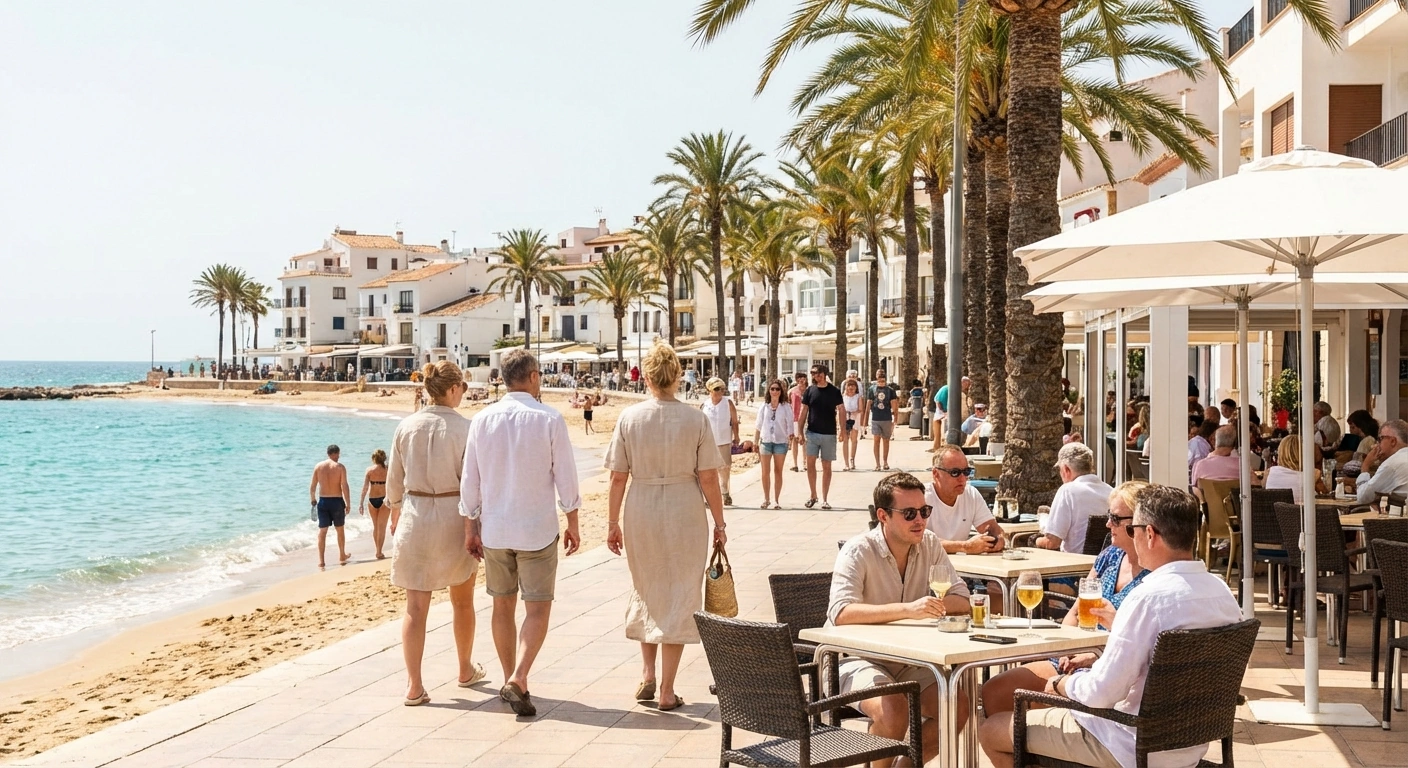
Guide to Costa Blanca's best beaches: family beaches, quiet coves, Blue Flag, parking, and which areas suit buyers who want to live near the sea.
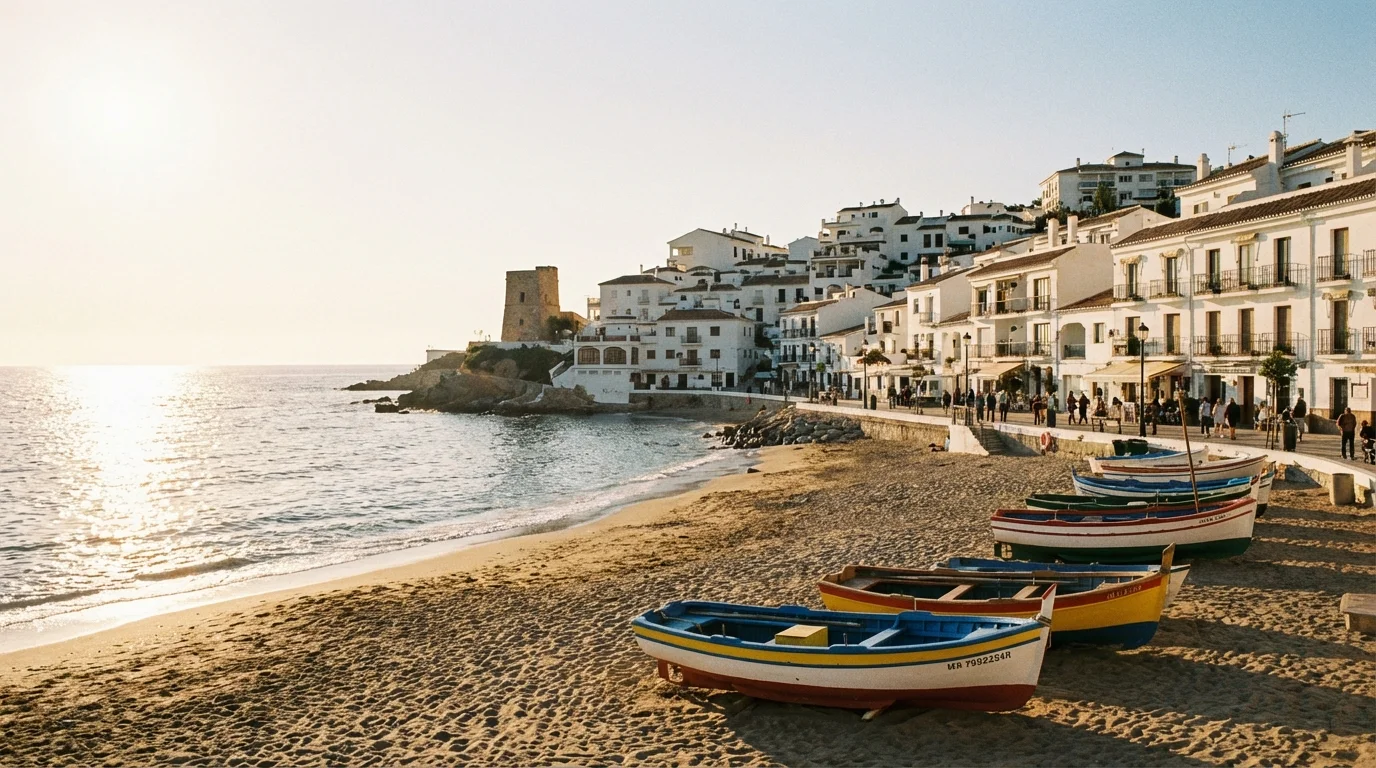
Complete guide to La Cala de Mijas on the Costa del Sol: beaches, property prices, restaurants and tips for Swedish buyers seeking charm without the tourist crowds.