


Lifestyle
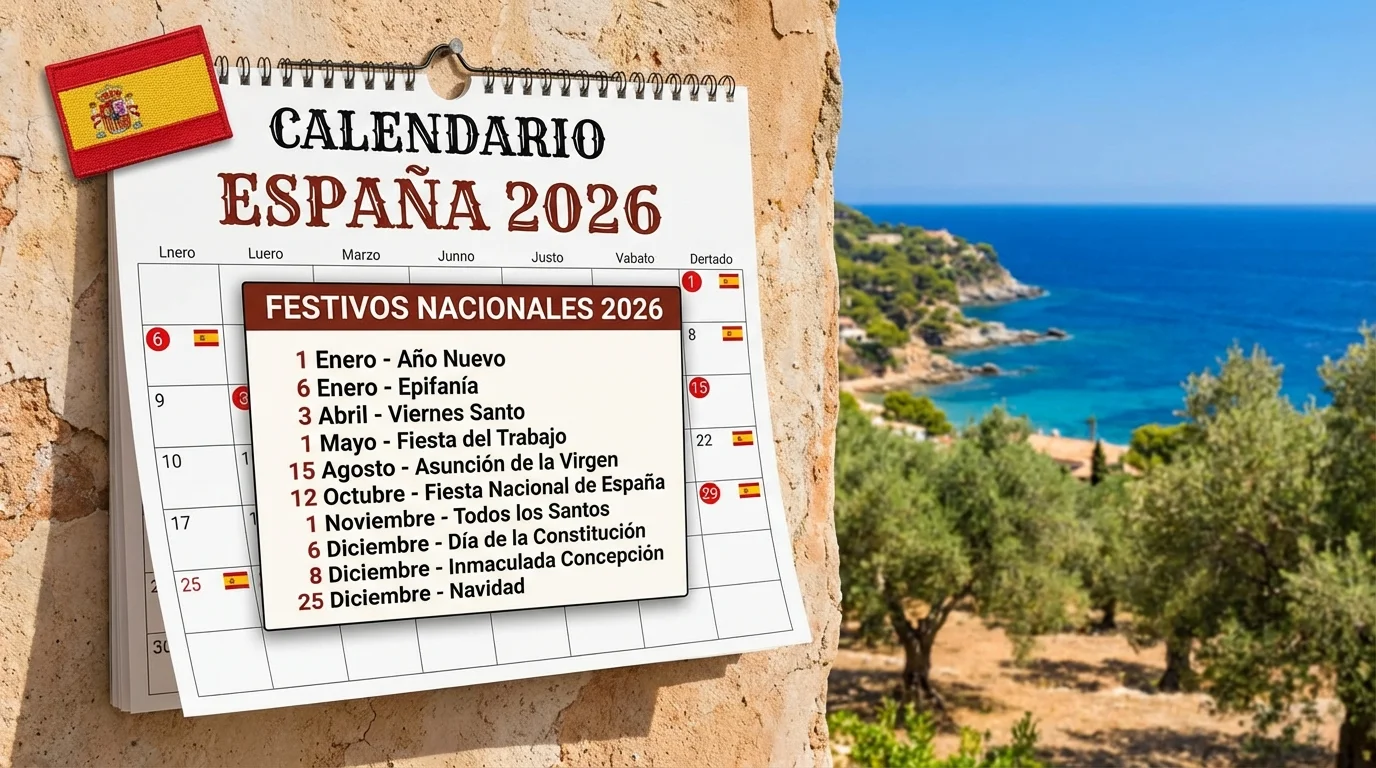
Public holidays in Spain 2026 – Complete calendar
All public holidays in Spain 2026: national, regional and local fiestas. Calendar for the Valencian Community, Murcia and Andalusia with dates and explanations.
14 min
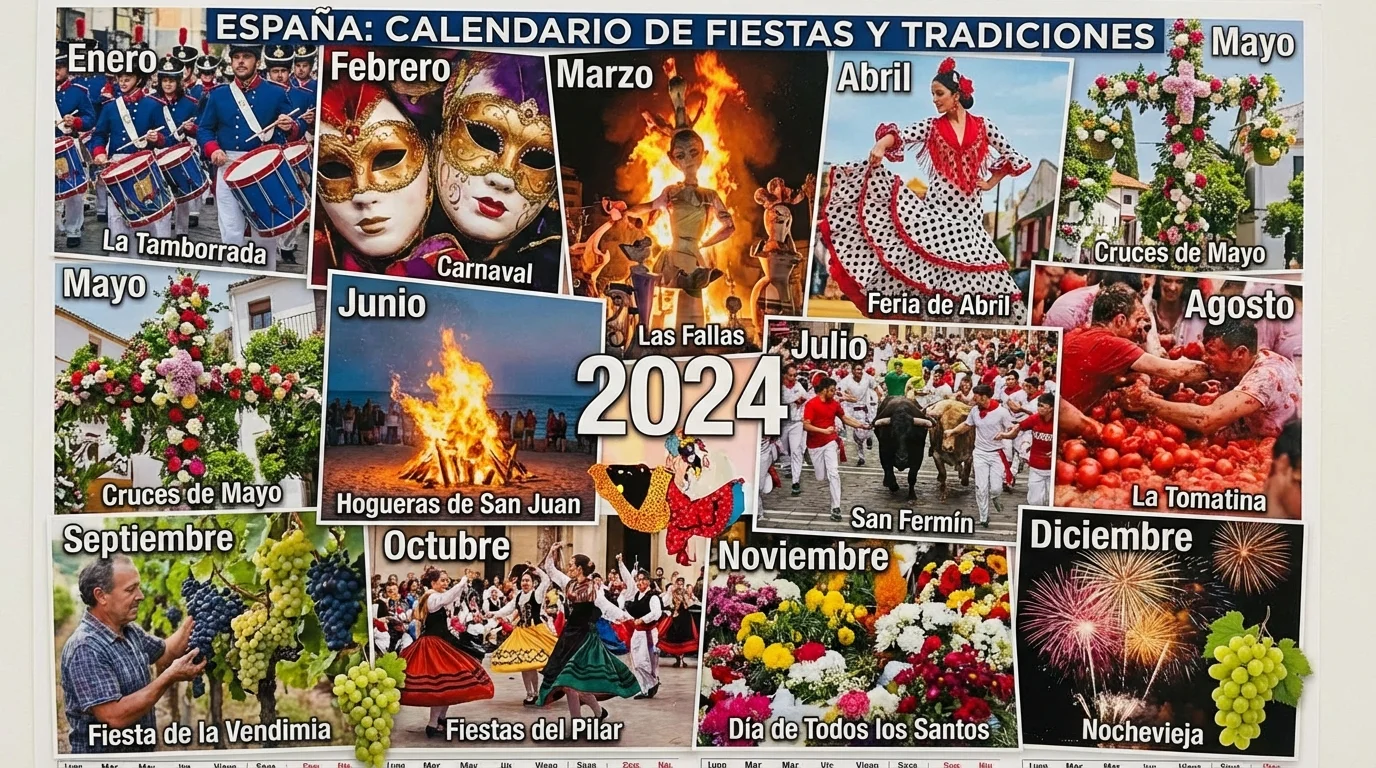
Discover Spain's best fiestas and traditions: Las Fallas, San Fermín, Feria de Abril, La Tomatina and more. Guide for Swedish residents in Spain.
Spain has more fiestas than any other country in Europe — an estimated over 3,000 local festivals every year, spread across all seasons. This is not just about days off (you can read about those in our calendar of public holidays in Spain). It is about what actually happens on these days: gigantic sculptures burning, tomatoes flying, bonfires on the beach, processions at midnight and grapes to be swallowed in time with the clock striking.
If you live in Spain — or are thinking of moving there — the fiestas will become one of the best parts of your new life. They are loud, colourful, generous and completely unforgettable. This guide covers Spain's most important fiestas and traditions month by month, focusing on what to expect, what food goes with them and how to experience them best as a Swede.
Forget Christmas Eve — the 6th of January is Spain's magical day. Día de los Reyes Magos (Three Kings' Day) is the big gift-giving day for children and one of the most beloved traditions of the year. While Swedish children open presents on 24 December, Spanish children wait until 6 January for the three Wise Men — Melchor, Gaspar and Baltasar — to deliver their gifts.
The evening before, on 5 January, the Cabalgata de los Reyes Magos is held in every city and village throughout the country. It is a parade with floats, music, dancers and the three kings throwing sweets to the children lining the streets. In Madrid, hundreds of thousands of people gather. But even in smaller coastal towns like Torrevieja and Alicante, the parade is a large-scale event.
On the morning of Three Kings' Day, children find their presents next to the shoes they placed on the windowsill the evening before — along with small plates of food for the camels. The whole family has roscón de reyes for breakfast: a ring-shaped sweet bread topped with candied fruit and often filled with cream. Hidden inside is a small figurine and a bean — whoever finds the figurine is crowned king or queen for a day, and whoever finds the bean has to pay for the cake.
Tip
Tip: The parade usually starts around 17:00–18:00 on 5 January. Arrive at least an hour early if you want a good spot. Bring a bag for all the sweets that are thrown — children often collect several kilos.
Carnival (Carnaval) takes place in February, the week before Lent begins, and the word comes from the Latin carne vale — "farewell to flesh". It is Spain's wildest and most uninhibited celebration, during which rules and conventions are temporarily suspended.
The two major carnival celebrations are each other's opposite:
Tenerife has the world's second largest carnival after Rio de Janeiro. Here everything is about glamour, glitter and spectacular costumes. The Carnival Queen's dress often weighs over 100 kg and takes months to make. Parades with floats, Brazilian samba groups and hundreds of thousands of costumed people fill the streets for almost two weeks.
Cádiz takes a completely different approach. Here the carnival is built on humour and satire. Groups called chirigotas perform songs full of irony and social commentary directed at politicians and celebrities. It is intelligent, sharp entertainment and a deeply Andalusian tradition.
A tradition shared throughout Spain is Entierro de la Sardina — the Burial of the Sardine — which marks the end of carnival. A cardboard sardine is carried in procession through the streets and "buried" (burnt) amid theatrical weeping and mourning. It symbolises farewell to pleasure and excess before Lent begins.
Las Fallas in Valencia (15–19 March) is one of Europe's most spectacular festivals and celebrates San José — the patron saint of carpenters. The tradition is said to have originated when carpenters burned their wood waste on St Joseph's Day, and over time it evolved into an art form.
During the week, hundreds of fallas — gigantic sculptures of papier-mâché, wood and polystyrene — are displayed on streets and squares throughout Valencia. The sculptures are often satirical and parody politicians, celebrities and current events. The best ones cost hundreds of thousands of euros to make and can be over 20 metres tall.
Every day at 14:00 the la mascletà is held — a deafening fireworks display in the middle of the day at Plaza del Ayuntamiento. This is not a normal fireworks display with light effects but a pure gunpowder explosion that literally shakes the ground. The experience is physical — you feel it in your chest.
The highlight comes on the night of 19 March: la cremà — the burning. All the fallas are set alight and Valencia is illuminated by hundreds of bonfires. The fire brigade sprays water on balconies and facades while sculptures worth millions are turned to ash. The atmosphere swings between euphoria and melancholy.
Women wear traditional fallera costumes with embroidered skirts and elaborate hairstyles decorated with jewellery — a single costume can cost €10,000–€20,000.
Information
Did you know? During Las Fallas, more gunpowder is fired in Valencia in five days than during the entire American Fourth of July celebrations. UNESCO designated Las Fallas as Intangible Cultural Heritage in 2016.
Semana Santa (Holy Week) in March or April is Spain's deepest and most emotional celebration. While we have written a complete guide to Easter in Spain, it is worth mentioning the highlights here.
In cities such as Seville, Málaga, Murcia and Orihuela, enormous religious sculptures — pasos — are carried through the streets by brotherhoods (cofradías) dressed in long robes and pointed hoods. Processions continue from early morning to well after midnight. The atmosphere ranges from deep silence to explosive outbursts of flamenco singing (saetas) performed spontaneously from balconies.
Seville's Madrugá — the night between Maundy Thursday and Good Friday — draws half a million spectators and is one of the most moving cultural experiences in all of Europe. In Málaga, the Spanish Foreign Legion takes part in a ceremonial procession that is a spectacle in itself.
Food during Semana Santa: torrijas (fried bread in sugar and cinnamon), potaje de vigilia (chickpea and cod stew on Good Friday) and mona de pascua (Easter cake in eastern Spain).
Two weeks after Easter, Seville transforms into one big party. Feria de Abril began as a livestock market in the 19th century but today is Andalusia's most elegant fiesta and a summary of everything typically Spanish: flamenco, sherry, horses and colourful dresses.
For a week, a vast festival area fills with over a thousand casetas — individual tents decorated with flowers and lamps. Families dance sevillanas (a local flamenco dance), drink fino sherry and eat tapas. The dress code is strict: women wear traditional traje de flamenca dresses and men ride horses in short jackets and wide-brimmed hats.
The day begins with a horse parade in which hundreds of riders and horse-drawn carriages process through the area. The evening belongs to dancing and music — and the partying continues long after midnight, every night throughout the week.
As a newly arrived Swede it can be difficult to get into the private tents, but there are public casetas and the atmosphere on the streets is open and welcoming.
Noche de San Juan — the night of 23 June — is Spain's equivalent of Swedish Midsummer, except with considerably more fire. The tradition blends pre-Christian solstice magic with Christian saint's day celebrations (the birth of John the Baptist) and is celebrated on beaches and squares in over 300 cities and villages.
In the evening, enormous bonfires (hogueras) are lit on the beaches. People jump over the fires — one, three or nine times depending on local tradition — to purify the soul and protect against evil spirits. At midnight, hundreds of thousands of people throw themselves into the sea. The swim is said to bring luck, health and beauty for the coming year.
In Alicante, San Juan is by far the biggest celebration of the year — bigger than Christmas, Easter and everything else. Just like Las Fallas in Valencia, gigantic sculptures (hogueras) are displayed throughout the city and burned on San Juan night. The celebrations last a week with fireworks, parades and the daily mascletà. The 24th of June is a local public holiday in Alicante.
Along the entire Mediterranean coast — from the Costa del Sol to the Costa Blanca — beaches fill with bonfires, grilled sardines and music all night. It is one of the best evenings to be out, and the atmosphere is relaxed and inclusive. Everyone is welcome.
Tip
Tips for your first San Juan: Bring swimming clothes, a change of clothes and a blanket to sit on. The beach fills up early — arrive before 20:00. Write down something you want to leave behind on a piece of paper and burn it in the fire at midnight. And jump over the bonfire — it's tradition!
San Fermín in Pamplona (7–14 July) is probably Spain's most famous — and most controversial — fiesta. The festival celebrates the city's patron saint and begins with el chupinazo: a rocket fired from the town hall balcony at 12:00 on 7 July, followed by total chaos of champagne, wine and confetti.
The core of the festival is el encierro — the bull run. Every morning at 08:00 during eight days, six bulls are released through Pamplona's narrow streets, and hundreds (sometimes thousands) of participants run ahead of them. The route is 875 metres and takes approximately three minutes. It is dangerous — since 1910, 16 people have died during the encierro, and dozens are injured every year.
But San Fermín is much more than the bull run. It is a week of parades with gigantes y cabezudos (giants and big-heads), live music on every street, fireworks competitions and traditional Basque sports. The dress code is white with a red belt and neckerchief.
The festival ends on 14 July with Pobre de mí ("poor me") — a sorrowful ceremony in which everyone gathers in the town hall square, extinguishes their candles and sings farewell to San Fermín.
La Tomatina takes place on the last Wednesday of August in Buñol, a small town 40 kilometres from Valencia. It is the world's largest food fight: for exactly one hour, 20,000 participants throw overripe tomatoes at each other until the entire town centre is covered in red.
The tradition began by chance in 1945, when a fight at the town's market degenerated into a spontaneous tomato-throwing contest. Today it is an organised festival with tickets that sell out in minutes. The rules are simple: crush the tomato before you throw it (a whole tomato hurts) and stop when the signal rocket is fired.
After the hour, the streets are hosed down, and the sour smell of tomatoes lingers for several days. Participants move on to pool parties and dinners in the village.
Properties
Explore available properties in torrevieja
La Mercè is celebrated around 24 September in honour of Barcelona's patron saint. It is four days of free concerts, parades and unique Catalan traditions.
The highlights are castellers — human towers built several storeys high with children climbing to the top. It is a UNESCO-protected tradition that requires years of training and extraordinary teamwork. Equally spectacular is correfoc ("fire running") where groups dressed as devils run through the streets with fireworks and Bengal lights. Spectators — many in protective clothing — dance under the shower of sparks.
Spain's National Day celebrates Columbus's arrival in America in 1492 and coincides with Virgen del Pilar, the patron saint of Zaragoza. In Madrid, a large military parade is led by the King and Prime Minister. In Zaragoza, thousands of people in traditional folk costumes bring flowers to the basilica — Ofrenda de Flores — creating an enormous floral mosaic.
All Saints' Day on 1 November is a quiet and reflective public holiday. Families visit cemeteries with flowers — particularly chrysanthemums — to remember those who have passed. This is a strong contrast to the usual energy of fiestas.
The food traditions are, however, festive: huesos de santo (marzipan tubes filled with egg custard), buñuelos de viento (airy doughnuts filled with cream or chocolate) and in Catalonia panellets (almond and pine nut cakes). Roasted chestnuts are sold in the streets — a tradition that marks the arrival of autumn.
Spanish Christmas differs markedly from Swedish. Christmas Eve (Nochebuena) on 24 December is a big family dinner — often with seafood, lamb and turrón (almond nougat) — but it is not the main gift-giving day. That is, as we mentioned, reserved for 6 January.
Christmas Day on 25 December is an official public holiday, but otherwise the Christmas period is quieter than in Sweden until New Year.
New Year's Eve — Nochevieja — is, however, a big celebration with a unique tradition: las doce uvas de la suerte (the twelve lucky grapes). At midnight you eat one grape per chime of the clock — twelve grapes in twelve seconds. Each grape represents a month in the coming year, and if you manage to eat all of them in time, a year of luck and prosperity awaits. The tradition originated in the Alicante region around 1909, when grape growers spread the custom to sell their surplus.
In Madrid, thousands gather at Puerta del Sol to eat grapes under the clock — Spain's version of watching New Year's fireworks. Along the coast, most people celebrate at restaurants or at home with family, followed by parties that continue until dawn.
If you live in Spain, the fiestas will affect your daily life — for better and for worse.
The positives:
The challenges:
Note
Practical advice: Avoid scheduling government appointments, notary visits or banking matters during the weeks around Semana Santa, San Juan (Alicante), Las Fallas (Valencia) and the Christmas period 23 December–6 January. Plan important matters for quieter periods such as February, May or October.
Adjust your daily rhythm. Fiestas start late — dinner might be served at 22:00, fireworks at 00:00 and the party ends at 04:00. Sleep in in the morning as the Spanish do.
Go to your local fiesta first. Before travelling to Pamplona or Seville — experience your own town's fiestas. Every village, regardless of size, has its feria or fiestas patronales. That is where you meet the neighbours and truly become part of the community.
Bring earplugs. Fireworks and music are part of the package. If you are a light sleeper, invest in good earplugs during festival weeks.
Eat the local food. Every fiesta has its food. Ask the neighbours what should be eaten and where the best is sold. Food is the key to every Spanish fiesta.
Say yes. When a neighbour invites you to the caseta, the procession or the barbecue — say yes. Fiesta is about community, and participating is the fastest way to become part of Spanish life.
Contact
We help Swedish buyers find the right property on the Costa Blanca and Costa del Sol — right in the middle of Spain's best fiestas and traditions. Book a free video meeting and we will tell you more.
Book a free consultationLast updated: April 2026. Festival dates can vary slightly from year to year — always check local programmes. See our public holidays calendar for Spain 2026 for exact dates and days off.
Decision support
De mest kända spanska fiestorna är Las Fallas i Valencia (mars), Semana Santa i Sevilla och Málaga (mars/april), Feria de Abril i Sevilla (april), San Fermín i Pamplona (juli), La Tomatina i Buñol (augusti) och La Mercè i Barcelona (september). Utöver dessa stora evenemang har varje stad och by sina egna lokala fiestor med djupa historiska rötter.
Nyårsafton (Nochevieja) firas med en stor familjemiddag följd av traditionen att äta tolv druvor — en per klockslag vid midnatt. Varje druva representerar en månad under det kommande året.
Traditionen härstammar från Alicante-regionen runt 1909 och idag samlas tusentals människor på Puerta del Sol i Madrid för att äta druvor tillsammans vid klockslagen.
Noche de San Juan firas natten till den 24 juni och är Spaniens version av midsommar. Traditionen blandar hedniska solståndsriter med kristet helgonfirande.
Enorma brasor tänds på stränderna, folk hoppar över eldarna för att rena själen och badar i havet vid midnatt för lycka och hälsa. I Alicante är San Juan årets största fest med jättelika skulpturer som bränns — liknande Las Fallas i Valencia.
Under stora fiestor stänger banker, myndigheter och många butiker. Gator spärras av för processioner och parader, trafiken ökar kraftigt och ljudnivån kan vara hög långt in på natten.
Restauranger är ofta fullbokade och korttidsboende stiger i pris. Planera myndighetsärenden och viktiga inköp i förväg om du bor i ett område med stor fiesta.
Varje helgdag har sin egen mat: roscón de reyes (trekungakaka) den 6 januari, torrijas (stekt bröd i socker och kanel) under påsken, cocas och sardiner under San Juan, horchata och buñuelos under Las Fallas, och tolv druvor på nyårsafton. Den 1 november äter man huesos de santo (marsipanrör) och buñuelos de viento (fyllda munkar).
Maten är en central del av varje fiesta.
Sources
All public holidays in Spain 2026: national, regional and local fiestas. Calendar for the Valencian Community, Murcia and Andalusia with dates and explanations.
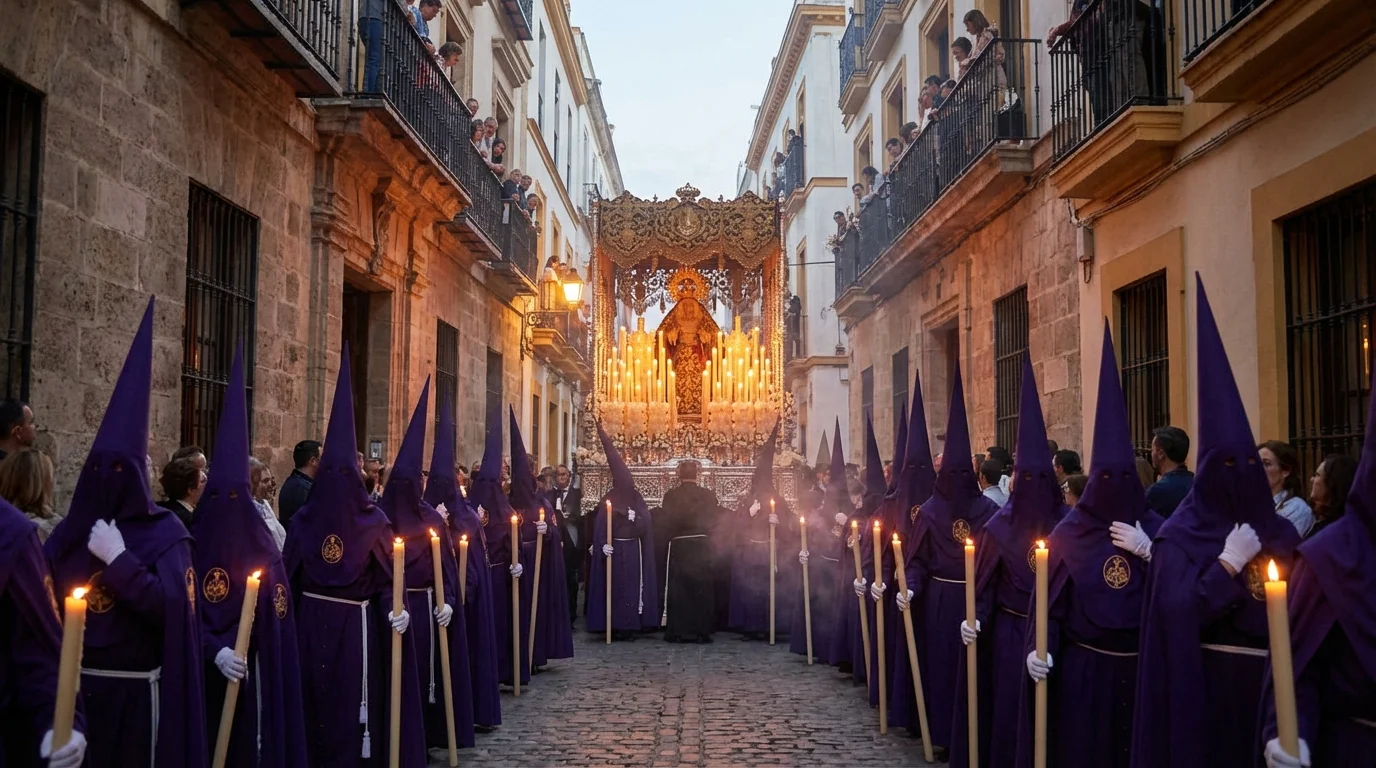
Everything about Easter in Spain: Semana Santa processions, traditions, public holidays, food and how it differs from Swedish Easter. Guide for Swedish residents.
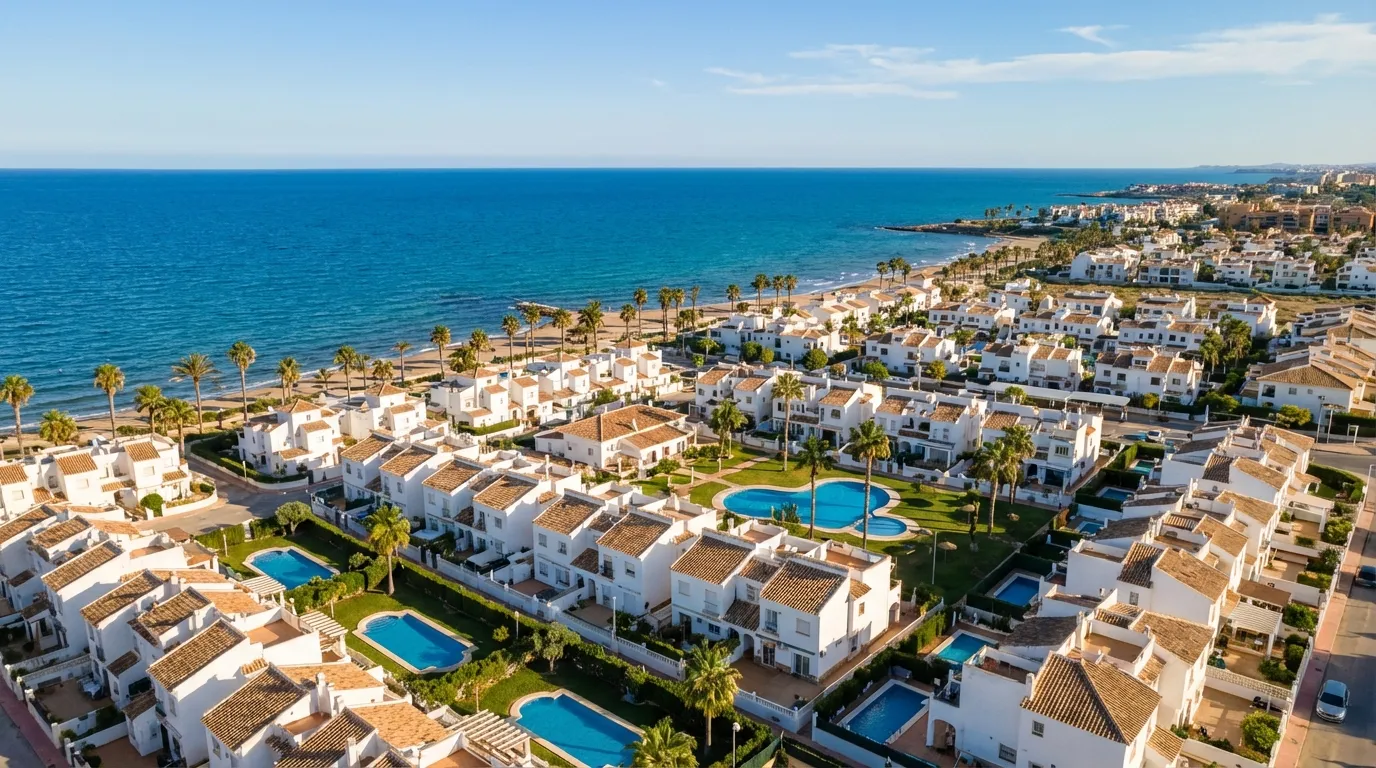
Everything you need to know about Orihuela Costa on Costa Blanca: areas, property prices, climate, beach life and tips for buying property in southern Spain.