
Moving & Living
Healthcare in Spain – How It Works for Swedes 2026
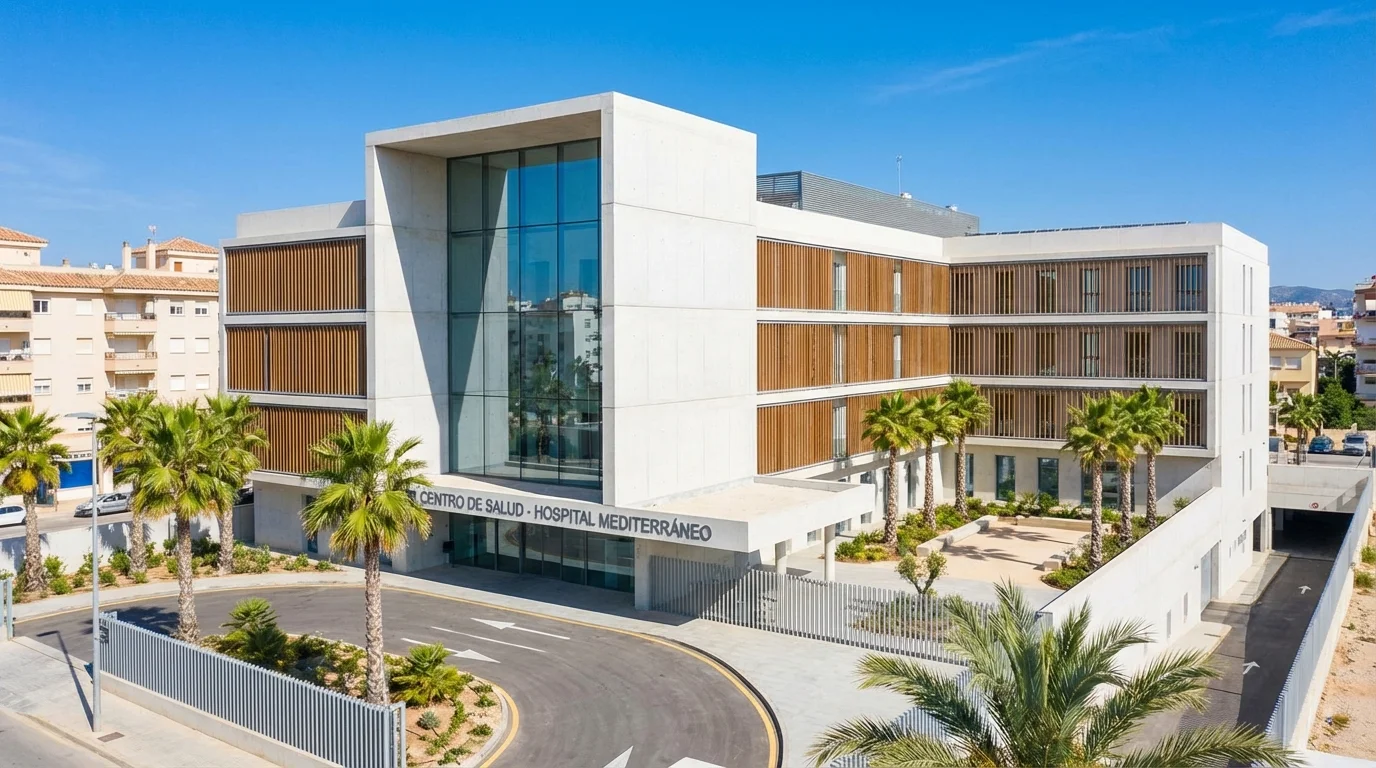
Complete guide to healthcare in Spain: public care, private options, EU card, SIP card and how to access healthcare as a Swedish resident.
16 min
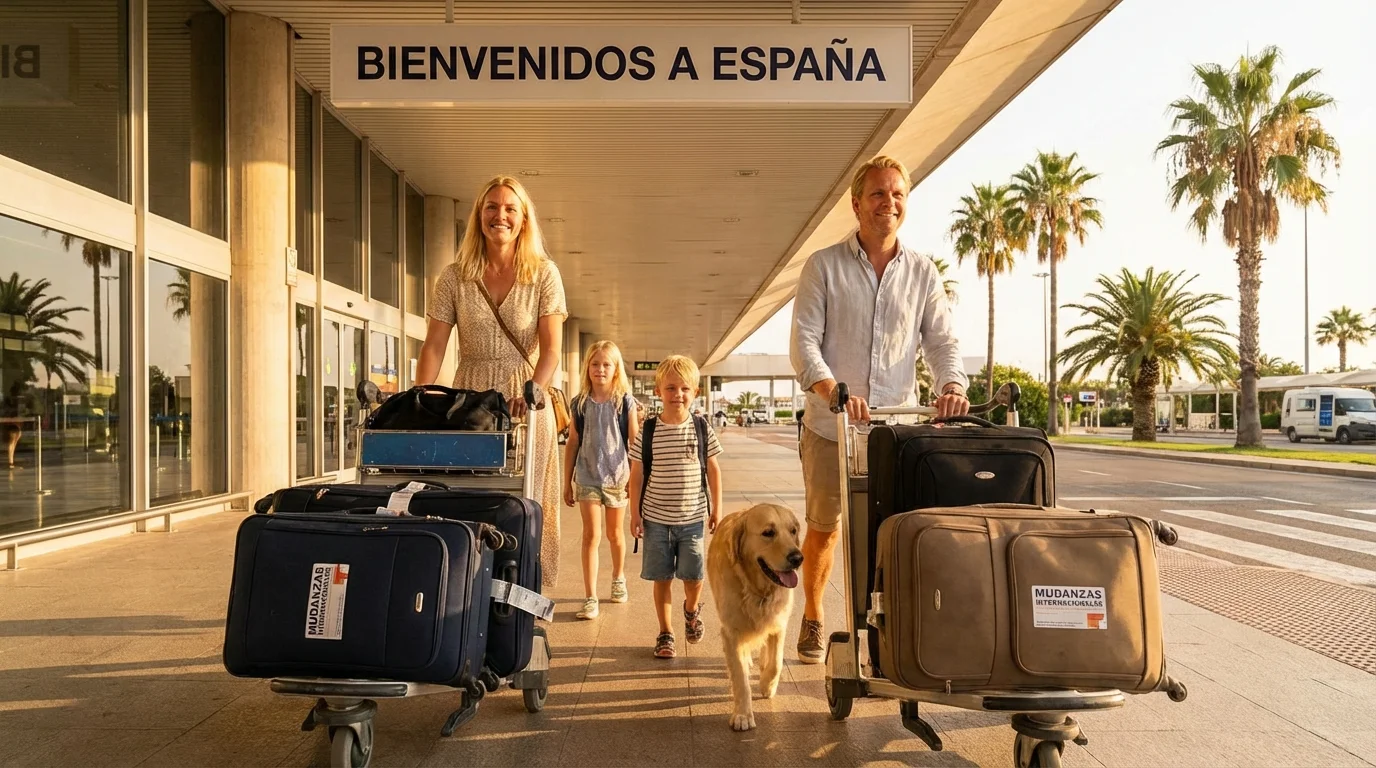
What is it like to live in Spain as a Swede? Cost of living, healthcare, bureaucracy, social life and everything you need to know about everyday life in Spain.
Living in Spain as a Swede means lower living costs, more than 300 sunny days a year and access to one of Europe's best healthcare systems. A couple can live comfortably on the Costa Blanca for 2,000–3,200 euros a month — 30–40% cheaper than in Sweden. In 2024, 2,816 Swedes moved to Spain, and a total of approximately 90,000–100,000 Swedes are estimated to live permanently or part-time in the country.
It sounds simple. Most things work. But there are bureaucratic challenges, cultural differences and practical details that determine whether the move is successful or not. Spanish bureaucracy requires patience. The summer heat can be gruelling. And without basic Spanish your everyday life will be limited.
In this guide we go through everything you need to know about everyday life as a Swede in Spain: living costs with a detailed monthly budget, healthcare, social life, bureaucracy, children and schools, transport, language and an honest list of advantages and disadvantages.
Everyday life as a Swede in Spain is shaped by the climate. You wake up to sunshine, have a coffee on the terrace and shop at the local market before it gets too hot. Lunch is eaten around 14:00, siesta until 17:00 and dinner after 21:00. It is an adjustment for most northerners — but one that the vast majority get used to quickly.
On the Costa Blanca and Costa del Sol everyday life has a clear Scandinavian character. In Torrevieja there is the Swedish church, the SWEA association, Scandinavian food shops and restaurants serving meatballs with lingonberry jam. In Fuengirola there is Club Nórdico and Sweden's largest school abroad. It is possible to live an entirely Swedish life if you want to — but it is not necessarily the best way to thrive in the long run.
The Swedes who are happiest are those who blend Swedish with Spanish. Those who learn to order coffee in Spanish, shop at the local market and talk to the neighbours. Not because it is strictly necessary in practical terms, but because it enriches everyday life.
A typical week might look like this: a morning walk along the promenade, coffee at a local café, Spanish class in the morning, lunch at home, siesta, padel or golf in the afternoon, and tapas with friends in the evening. Freedom, time outdoors and a slower pace — that is the essence of Spanish everyday life.
Information
Did you know? Spain is ranked as the world's healthiest country according to the Bloomberg Health Index 2024, thanks to climate, diet, healthcare and outdoor culture. Life expectancy is 83.5 years — the fourth highest in the world.
Living costs in Spain are on average 30–40% lower than in Sweden according to Numbeo (2026). The biggest saving is housing — rents on the southern Costa Blanca are approximately half what you pay in a mid-sized Swedish city.
Here is a realistic monthly budget for a couple renting a two-bedroom apartment on the southern Costa Blanca (Torrevieja/Orihuela Costa area):
Approximate monthly budget — couple in rented two-bedroom (southern Costa Blanca)
Rent (2 rooms, near sea)
800–1,200 €
per month
Electricity incl. AC
80–120 €
higher in summer
Water
20–35 €
Internet + mobile (2 people)
50–70 €
Food
500–650 €
two people
Restaurants / eating out
200–350 €
a few times a week
Health insurance (2 people)
120–300 €
private
Car (fuel, insurance)
200–300 €
Entertainment etc.
100–200 €
Total (approximate)
2,070–3,225 €
before any mortgage
If you own your home without a mortgage the rent falls away and you land at 1,200–2,000 euros per month. If you have a Spanish mortgage add amortisation and interest.
Prices vary between areas. Costa del Sol (Marbella, Estepona) is generally 20–30% more expensive than the southern Costa Blanca. The northern Costa Blanca (Jávea, Altea) is in between. Costa Cálida (Murcia region) is cheapest — there rents for a two-bedroom apartment can start from 550 euros.
Food prices are noticeably lower. A large weekly shop at Mercadona or Lidl costs a couple 80–120 euros. Fruit and vegetables from local markets are cheaper than at the supermarket — a kilo of oranges costs under a euro, tomatoes 1–2 euros. Olive oil, wine and fish are considerably cheaper than in Sweden.
Restaurant visits are a different world compared with Stockholm. A three-course menú del día (set lunch) costs 10–14 euros including bread, drink and dessert. A dinner for two with wine at a decent restaurant comes to 40–60 euros.
Properties
Explore available properties in Costa Blanca
Browse current homes in the area and compare locations, price levels and property types at your own pace.
Spain's healthcare system (SNS) is ranked among the best in Europe and is fundamentally tax-funded and free at the point of treatment. As a Swede you have access to healthcare in several ways, depending on your situation.
Pensioners apply for an S1 form from the Swedish Social Insurance Agency (Försäkringskassan), register it with INSS in Spain and receive an SIP card giving full access to public healthcare. Employees who pay Spanish social security contributions are automatically covered. Other residents can take out a convenio especial (special agreement) from 60 euros per month or choose private insurance.
Most Swedes combine the systems: public healthcare for basic and emergency care, private insurance to avoid waiting times for specialists. A private health insurance policy costs 50–150 euros per month for a person under 55.
On the Costa Blanca, Hospital Quirónsalud Torrevieja has Swedish-speaking staff and over 50 specialities. On the Costa del Sol, Vithas Xanit International in Benalmádena has Scandinavian-speaking staff.
We have written a separate in-depth guide on healthcare — read it for complete information on SIP cards, public versus private healthcare, pharmacies and dental care.
Tip
Tip: If you plan to apply for residencia (residence permit) as a non-working person you need private health insurance without copago (co-payment) as a requirement. Take out the right insurance from the start — it saves time and hassle.
The Swedish network in Spain is surprisingly large and well-established. SWEA (Swedish Women's Educational Association) has active branches on both the Costa Blanca and Costa del Sol with regular meetings, excursions and cultural activities. The Swedish Church has operations in Torrevieja, Fuengirola and Los Cristianos (Tenerife) with services, discussion groups and social events.
Club Nórdico in Fuengirola has been one of the Costa del Sol's best-known meeting places for Scandinavians since the 1960s. In the Torrevieja area there is the Norwegian Seamen's Church which welcomes all northerners. Facebook groups such as "Swedes on the Costa Blanca" have thousands of active members sharing tips on everything from plumbers to recipe ideas.
The social life can be divided into two categories:
The Swedish bubble — You socialise with other Swedes and Scandinavians, celebrate Midsommar on the beach, watch Swedish television via VPN and shop at the Scandinavian delicatessen. Safe and comfortable, but limiting.
The integrated life — You join local padel clubs, Spanish cooking courses or volunteer organisations. You learn the neighbours' names and get invited to fiestas. It requires more effort but provides richer experiences.
Most Swedes end up somewhere in between — and it works perfectly well.
Yes, it must be mentioned. Some Swedes — particularly elderly people living alone — experience loneliness after the move. The Swedish network of childhood friends, colleagues and neighbours no longer exists. And Spanish culture, despite its warmth and openness, can be difficult to penetrate deeply. Those who manage best are those who actively seek community: join associations, take courses and say yes to invitations.
Spanish bureaucracy is the single greatest frustration for newly arrived Swedes. The process works — but it requires patience, paperwork and in-person visits.
Here are the steps in chronological order:
Note
Note: The most difficult step is often getting a cita previa (appointment) at the authorities. In popular municipalities such as Torrevieja and Marbella it can take weeks to get a free slot. Plan ahead, check the booking systems daily and have all documents ready for the appointment. A missing document can mean rescheduling — and waiting weeks again.
If you have children and are considering a move, the school question is decisive. You have three main options.
There are Swedish schools on both the Costa Blanca and the Costa del Sol that follow the Swedish curriculum and are approved by the Swedish National Agency for Education:
The advantages are obvious: children continue on the Swedish curriculum, can move back without losing school years and teaching is in Swedish. The disadvantage is limited choice — there are no Swedish upper secondary schools in Spain.
English-language international schools are found in all major coastal towns. They follow the British curriculum (GCSE, A-levels) or the International Baccalaureate (IB). Term fees range from 4,000 to 12,000 euros per year depending on school and level. Children become trilingual (English, Spanish, Swedish at home) — a major asset for the future.
The public Spanish school system is free and generally of good quality. Children adapt to the language quickly — most speak fluent Spanish within 6–12 months. The challenge is that parents need to know Spanish to follow homework, parent-teacher meetings and school meetings.
A car is in practice necessary outside the large cities. Public transport in coastal towns is limited — buses run, but not frequently or late enough to cover all needs. In Alicante city and Málaga public transport works well, but in Torrevieja, Orihuela Costa or Estepona you need a car.
Approximate annual car costs
Road tax (IVTM)
60–200 €/year
Car insurance (third party+)
300–600 €/year
ITV (after the fourth year)
35–55 €/visit
Fuel (approx. 1,200–1,500 km/month)
1,400–2,400 €/year
Servicing and maintenance
300–800 €/year
Total (approximate)
2,100–4,055 €/year
Large range depending on car and driving.
Fuel prices in Spain are around 1.45–1.60 euros per litre for petrol and 1.35–1.50 euros for diesel (2026), slightly lower than in Sweden.
Yes, but if you become a resident in Spain you must re-register the car within 30 days. This involves a Spanish ITV inspection, re-registration with Tráfico (DGT), new insurance and Spanish plates. The total cost is 1,200–3,000 euros depending on the car's age and type. Many people instead choose to buy a car locally — the supply of second-hand cars is large and prices are competitive.
Short answer: you can get by without Spanish, but you live better with it.
In tourist areas along the Costa Blanca and Costa del Sol bank staff, doctors at private hospitals and estate agents speak English. There are Swedish food shops, Swedish associations and Swedish churches. Technically you can live an entirely Swedish life.
But the reality is more nuanced. Municipal letters and authority decisions come in Spanish. Tradespeople, plumbers and electricians rarely speak English. Your neighbour wants to talk — but not in English. Without Spanish you miss half of life in Spain.
Most municipalities offer free or cheap Spanish courses (escuela oficial de idiomas). Private language schools cost 200–400 euros per month. Online platforms such as Preply and italki offer private lessons from 10 euros per hour.
Realistic timeframe: With regular practice (3–4 hours a week) you reach conversational level within 6–12 months. Enough to shop, book a doctor's appointment and talk to neighbours. Fluent Spanish takes 2–3 years.
Here is the honest list — without rose-tinted spectacles.
Properties
Explore available properties in Costa del Sol
Browse current homes in the area and compare locations, price levels and property types at your own pace.
Living in Spain suits you well if you:
It suits you less well if you:
Contact
We help Swedes find the right property on the Costa Blanca and Costa del Sol. Book a free call where we go through your wishes and answer practical questions about life in Spain.
Book free consultationLast updated: April 2026. Prices and rules may change — contact us for current information.
Decision support
Ett par kan leva bekvämt i södra Spanien för 2 000-3 200 euro i månaden, beroende på livsstil och område. I det ingår hyra (800-1 200 euro), mat (500-600 euro), el och vatten (120-180 euro), transport (150-250 euro) och sjukförsäkring (100-240 euro).
Costa Blanca söder och Costa Cálida är billigast, medan Costa del Sol och norra Costa Blanca kostar 20-30 % mer.
Tekniskt sett klarar du dig på engelska i de stora turistområdena längs Costa Blanca och Costa del Sol - banker, sjukhus och myndigheter har ofta engelsktalande personal. Men utan grundläggande spanska blir vardagen begränsad: du missar spontana kontakter med grannar, förstår inte brev från kommunen och är beroende av tolkar vid myndighetsbesök.
De flesta svenskar som trivs långsiktigt har lärt sig åtminstone B1-nivå i spanska.
Ja, avsevärt. Levnadskostnaderna i Spanien är i genomsnitt 30-40 % lägre än i Sverige.
Den största besparingen är boende - en tvårumslägenhet i Torrevieja kostar 700-1 000 euro i månadshyra, jämfört med 10 000-15 000 kronor i en svensk mellanstor stad. Mat, restauranger och transport är också billigare.
Sjukvård och privat försäkring kostar ungefär lika, och el kan vara dyrare under sommaren på grund av luftkonditionering.
Ja, det finns svenska skolor på både Costa Blanca och Costa del Sol. Skandinaviska Skolan Costa Blanca (Alfaz del Pi) erbjuder förskoleklass till årskurs 6.
Svenska Skolan Costa del Sol i Fuengirola är störst utanför Sverige och har förskoleklass till årskurs 9. Svenska Skolan Marbella och Swedish International School i San Pedro kompletterar utbudet.
Alla följer svensk läroplan och är godkända av Skolverket.
De vanligaste sakerna svenskar saknar är den svenska naturen (skog, sjöar, årstidsväxlingar), effektiv byråkrati, pålitliga leveranstider, svensk matkultur (knäckebröd, filmjölk, julskinka) och mörka mysiga kvällar. Många nämner också att de saknar det svenska föreningslivet och spontana fikaträffar med gamla vänner.
Julens mörker och kyla saknas sällan - men traditionen kring den gör det.
Sources
Complete guide to healthcare in Spain: public care, private options, EU card, SIP card and how to access healthcare as a Swedish resident.
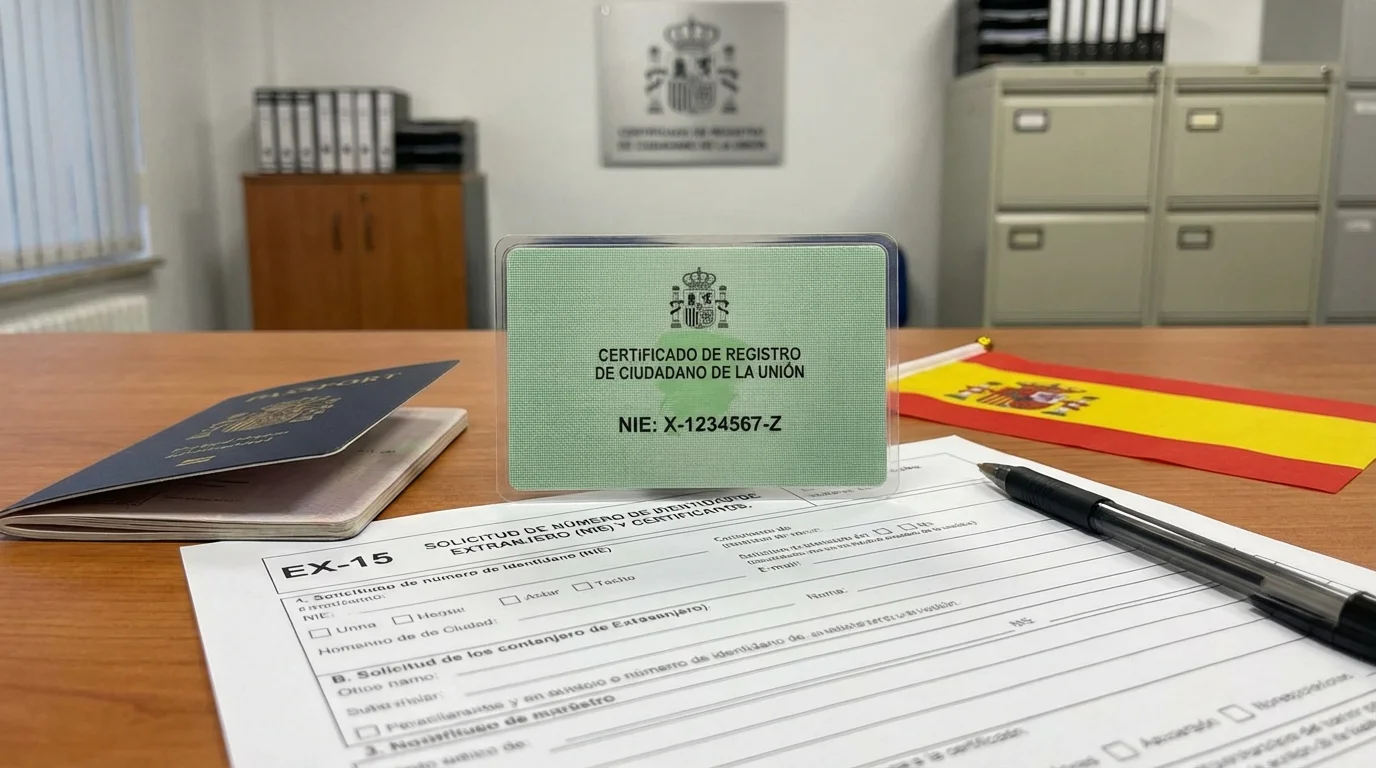
Spanish NIE number 2026: step-by-step guide from Sweden or Spain. EX-15 form, Modelo 790, €9.84 fee, waiting times and NIE/NIF/TIE explained.
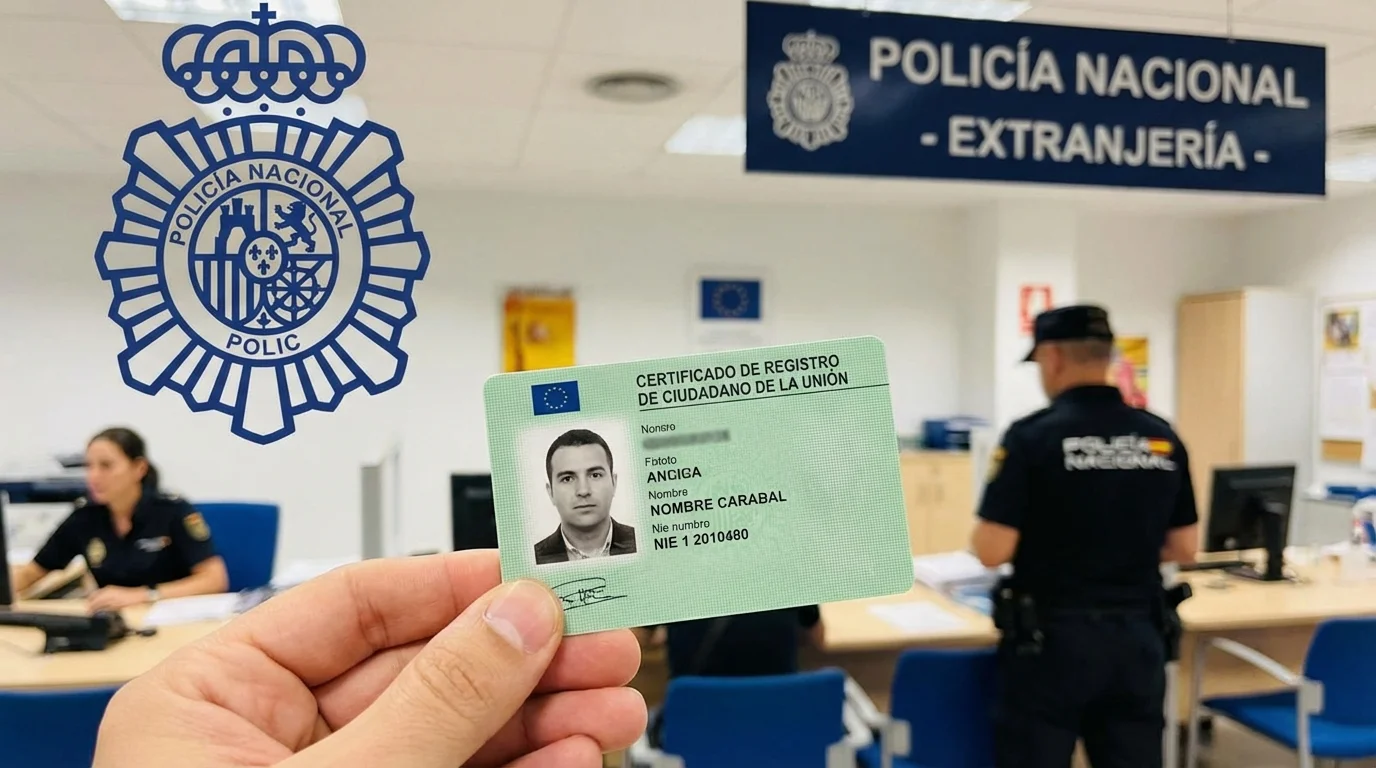
Complete guide to residencia in Spain: requirements, documents, application and what it means for your taxes. Step-by-step for Swedish citizens.